


Ecuador Deploys Forces, Imposes Curfew in Four Provinces
Ecuador has deployed 75,000 security personnel and imposed curfews in four provinces as part of a U.S.-supported campaign against organized crime.
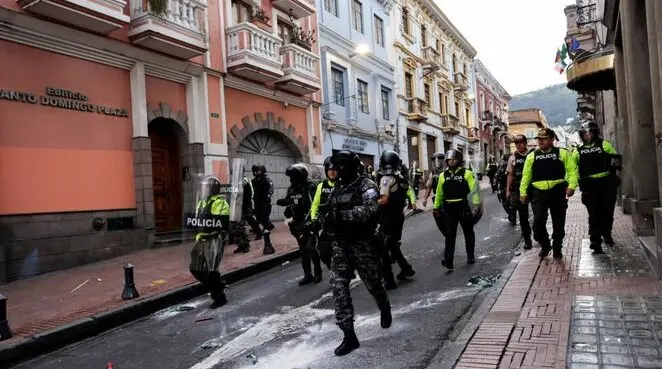
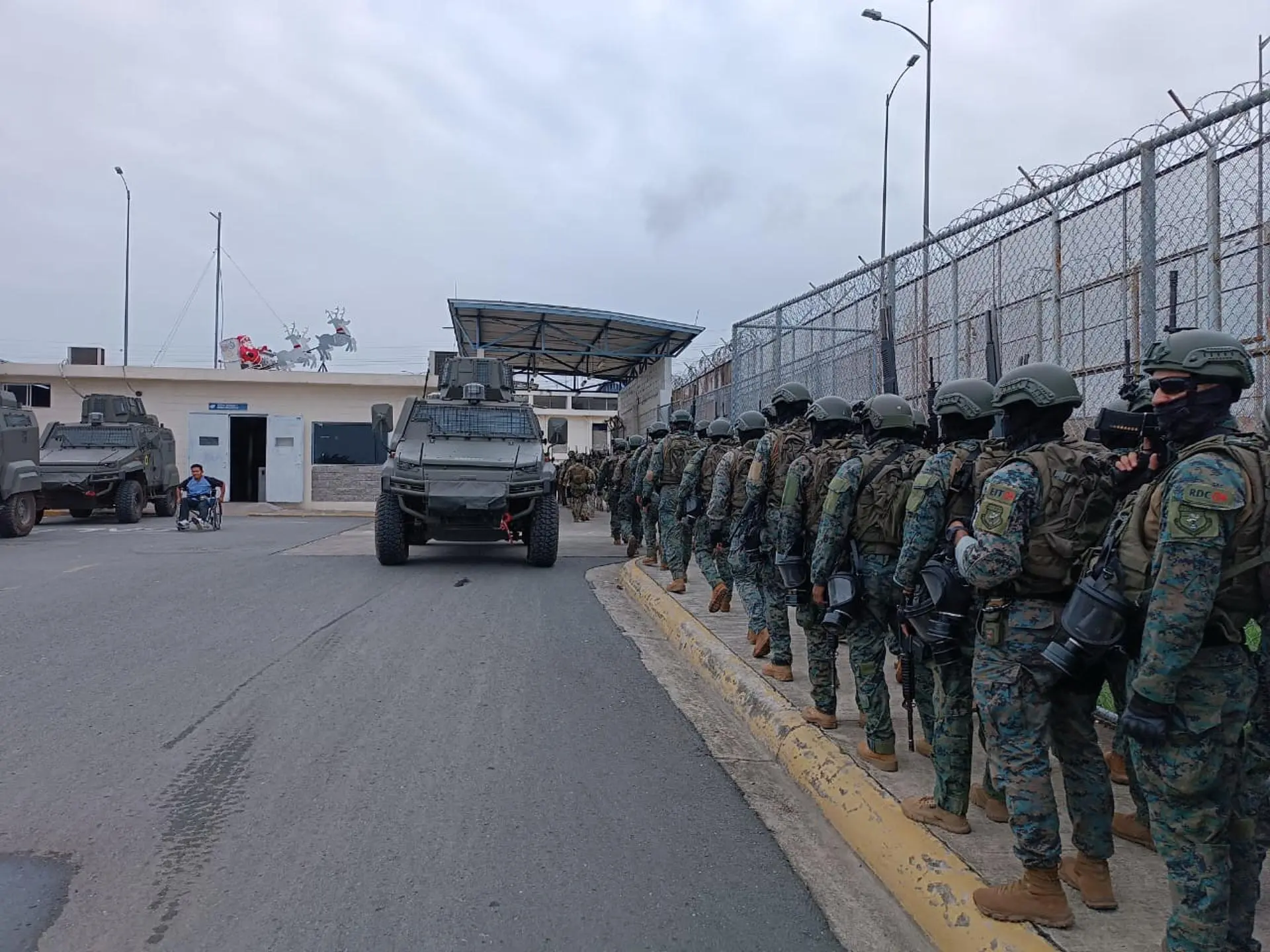
Security forces deploy across Ecuador as authorities impose curfews and launch anti-crime operations. Photo: France24
March 16, 2026 Hour: 2:49 am
🔗 Comparte este artículo
Ecuador Government mobilizes 75,000 security personnel and launches joint anti-crime operations with U.S. support.
The government of Ecuador has imposed a nightly curfew in four coastal provinces as part of a new security campaign against organized crime carried out with support from the United States.
RELATED: Ecuadorian Judge Upholds Suspension of the Citizen Revolution Movement
The measure, decreed by President Daniel Noboa, began on Sunday and restricts movement overnight in the provinces of Guayas, El Oro, Santo Domingo de los Tsáchilas and Los Ríos, territories authorities identify as key corridors for drug trafficking.
The restrictions are part of a two-week security operation aimed at intensifying the government’s campaign against criminal organizations operating in the country.
Text Reads: 75,000 personnel, curfew, and U.S. support: Ecuador launches massive security operation
More than 75,000 members of the National Police and the Armed Forces have been deployed across the four provinces to carry out the operations.
Interior Minister John Reimberg called on residents to remain indoors during the curfew period and allow security forces to carry out the operations. “We are at war (…) Do not take risks, do not go out, stay at home, let the public force with the allies do the work it has to do,” Reimberg said.
Authorities warned that people who violate the curfew may face prison sentences ranging from one to three years.
According to the government, the deployment forms part of a broader strategy aimed at weakening criminal organizations and disrupting the logistics and finances of drug trafficking networks operating along Ecuador’s coastal routes.
Police commander Pablo Dávila said the operations involve specialized investigative units and include the use of drones, helicopters and checkpoints to detect people moving during restricted hours.
The curfew affects major urban areas, including Guayaquil, the country’s most populated city, located in one of the regions most affected by violence linked to organized crime. Authorities also confirmed that journalists are not authorized to circulate during curfew hours or cover security operations on the ground.
The government says the campaign represents a new phase of the “war” against what officials describe as “narco-terrorism,” declared by Noboa in 2024.
The operations are being carried out with international cooperation led by Washington. Ecuadorian authorities have acknowledged receiving U.S. support in training, intelligence and financing for the security strategy.
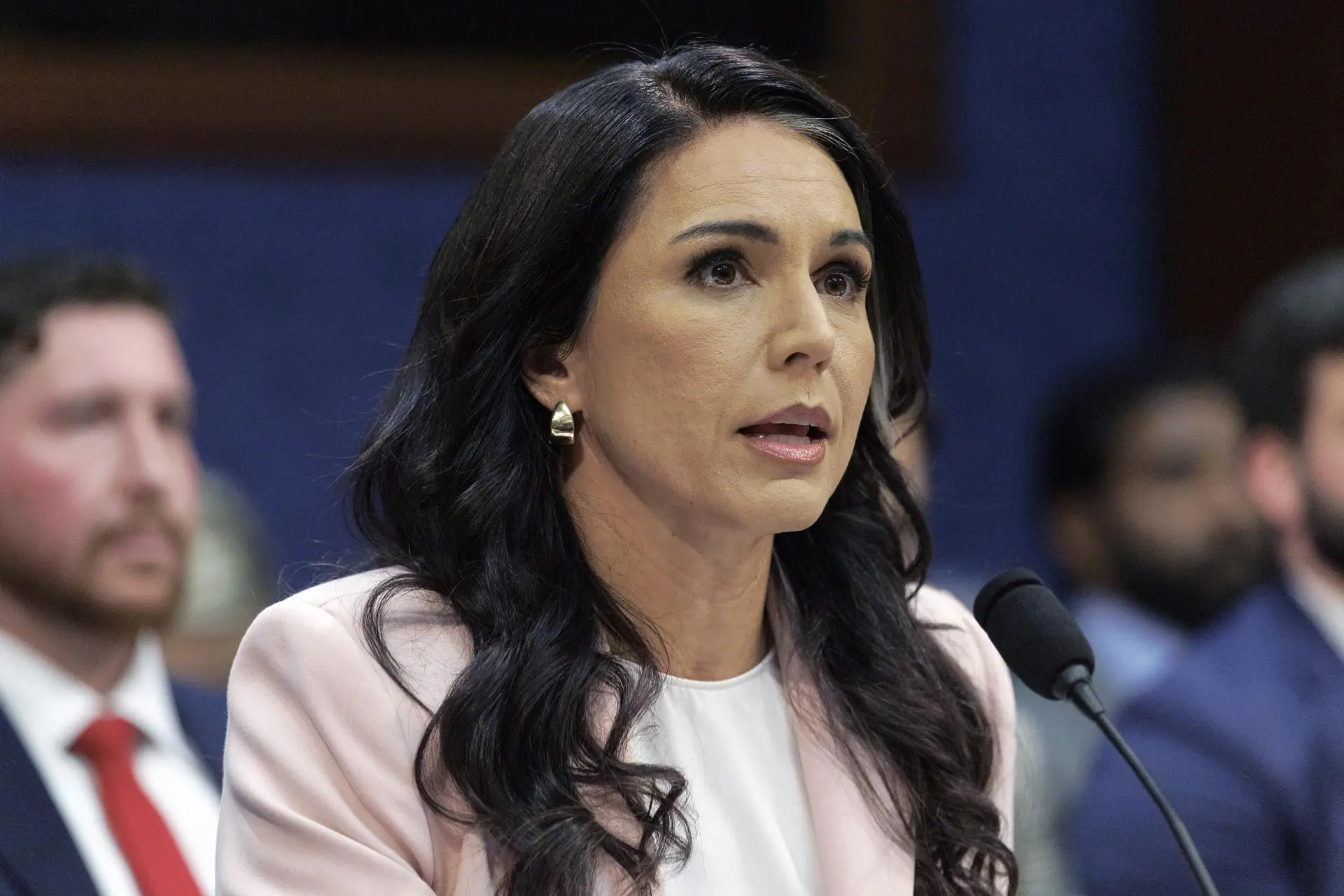
Text Reads: For too long, the mafias believed that America was their territory—that they could cross borders, move drugs, weapons, and violence without consequence. That time is over.
Earlier this month, security forces from Ecuador and the United States conducted a joint operation near the border with Colombia that destroyed a training camp operated by Comandos Fronterizos, a dissident group linked to the former guerrilla organization Revolutionary Armed Forces of Colombia, according to the Ecuadorian Ministry of Defense.
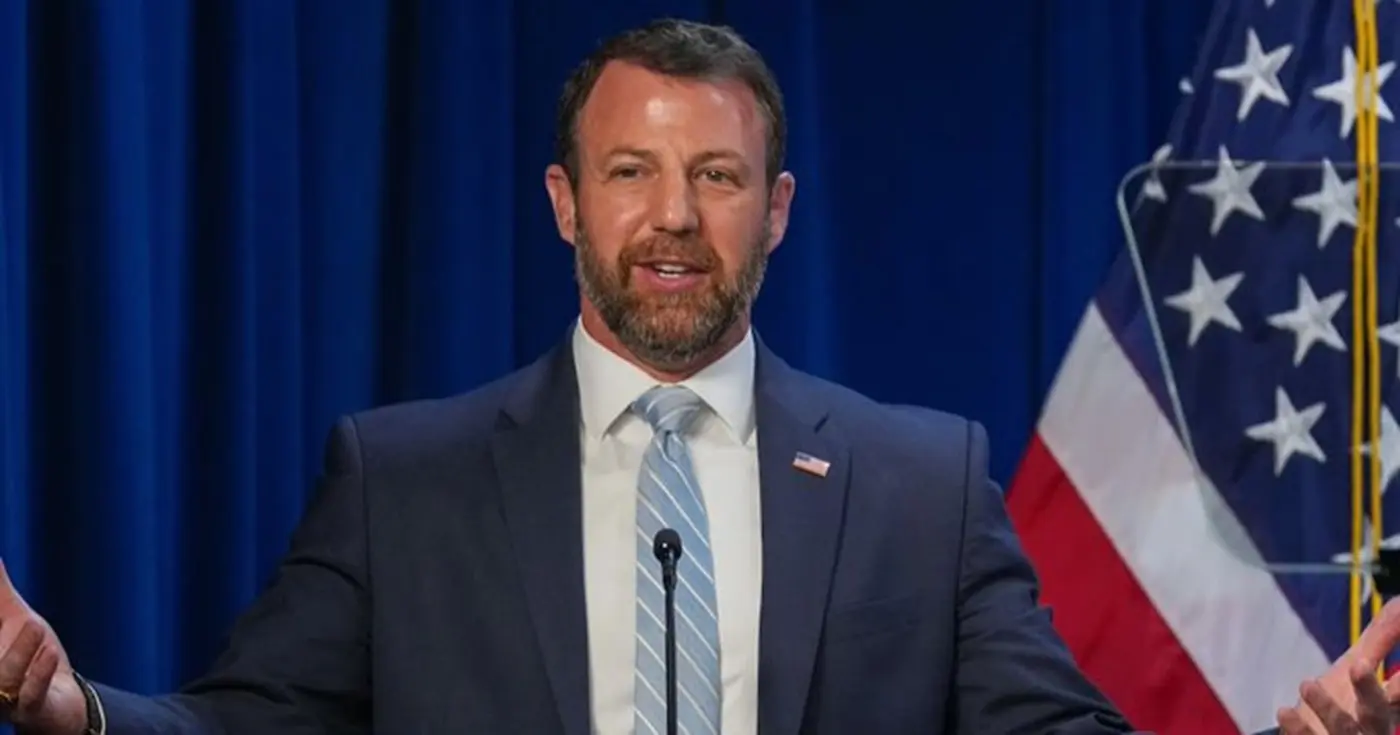
The cooperation also coincides with Ecuador’s participation in a regional anti-drug initiative backed by the administration of Donald Trump known as “Shield of the Americas,” a coalition of 17 countries created to coordinate operations against drug trafficking in the region.
In parallel, Quito recently announced the opening of the first office of the Federal Bureau of Investigation in Ecuador.
The escalation comes amid persistent violence associated with drug trafficking networks. Ecuador recorded 9,235 homicides in 2025, the highest annual total in the country’s history.
Authorities say the latest operations seek to regain control in provinces where criminal groups have expanded their presence along routes used to move cocaine from neighboring producers such as Peru and Colombia toward international markets.
The restrictions have raised concerns among workers and small business owners whose jobs depend on nighttime mobility, particularly in sectors such as transportation and hospitality.
Author: MK
Source: EFE / France24